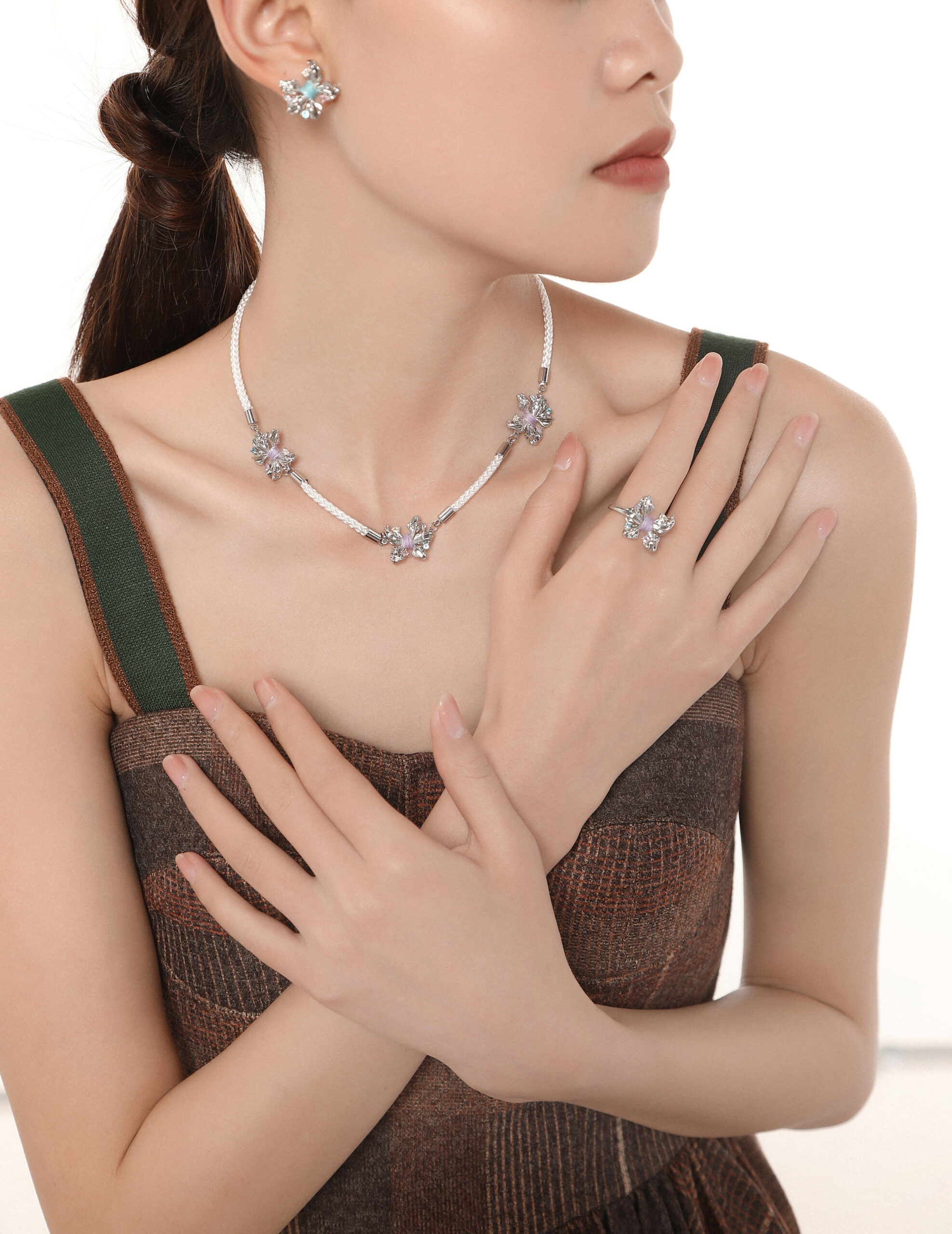
The plain sweater was still on the chair when my roommate laughed because I had tried on the same sweater three times. I noticed the plain sweater first, then noticed how quickly I wanted to make everything look ordinary. I was trying to look awake without dressing like a different person.
The black dress did not need help, but it did need one human detail before I could leave. The morning did not need a transformation; it needed one detail that made familiar clothes feel cared for.
If the outfit felt simple, maybe the morning could stay simple too.
The morning got better in small pieces: warm coffee, clean sleeves, keys found before the last minute.
There was a rhythm to it: clear the counter, answer the message, smooth the sweater, say the kind sentence before anyone asked for the true one. After the plain sweater, that rhythm almost felt mature. When my roommate laughed because I had tried on the same sweater three times, I let the performance stand because it was easier than explaining the rehearsal.
There were small proofs everywhere around the coffee mug. A message I answered with three safe words. A photo I deleted because my face looked too tired. A card I bought early and left unsigned because the first sentence sounded more honest than I could bear. Even the ordinary things started looking staged once I noticed how carefully I had arranged them.
I started calling it taste when really it was management. Because I was trying to look awake without dressing like a different person, I chose simple things and praised myself for being low-maintenance. The problem was not simplicity. The problem was using it to make every harder feeling look decorative.
Then I realized the detail mattered because the day was ordinary, not because it was special.
I felt the shift before I could name it. The black dress did not need help, but it did need one human detail before I could leave. One moment I was arranging the day; the next I was noticing how much energy it took to make the arrangement look effortless.
The necklace stayed near the sink for three days, close enough to see and far enough away to avoid deciding what it meant.
The necklace mattered only because it could become an easy finish for clothes already in rotation.
I turned it once near the window and thought about an office morning. The detail did not improve the room. It did not forgive me. It only made one honest thing visible, which was more useful than comfort.
The coffee mug made the feeling practical, which somehow made it harder to avoid. It was no longer a cloud passing over the day. It was a thing beside the sink, beside the keys, beside the sentence I had not found yet.
That night, someone said, "You look nice," and I almost turned it into a joke. Instead I touched the necklace once and said thank you. Nothing dramatic happened. Around an office morning, the table stayed loud, the fork hit the plate, and the small pressure inside the room finally had nowhere useful to hide.
Before sleep, I saw the coffee mug again and felt the day return in a smaller size. It had not become easier. It had become named. That was enough to keep an office morning from turning back into a performance.
I still believe in small beautiful things, just not as disguises. They are better when they leave room for the unedited part of a person and do not ask anyone to translate pain into taste.
The next day did not arrive cleaner. It arrived with dishes, a delayed reply, and the same soft panic under the ribs. Still, I left the plain sweater where it was and let one ordinary object tell the truth without making a scene.
The strange relief was not happiness. It was permission to let the coffee mug remain ordinary and still matter, to let the small visible thing carry only what it could carry.
I wore the small detail to dinner and did not explain why I had gone quiet.
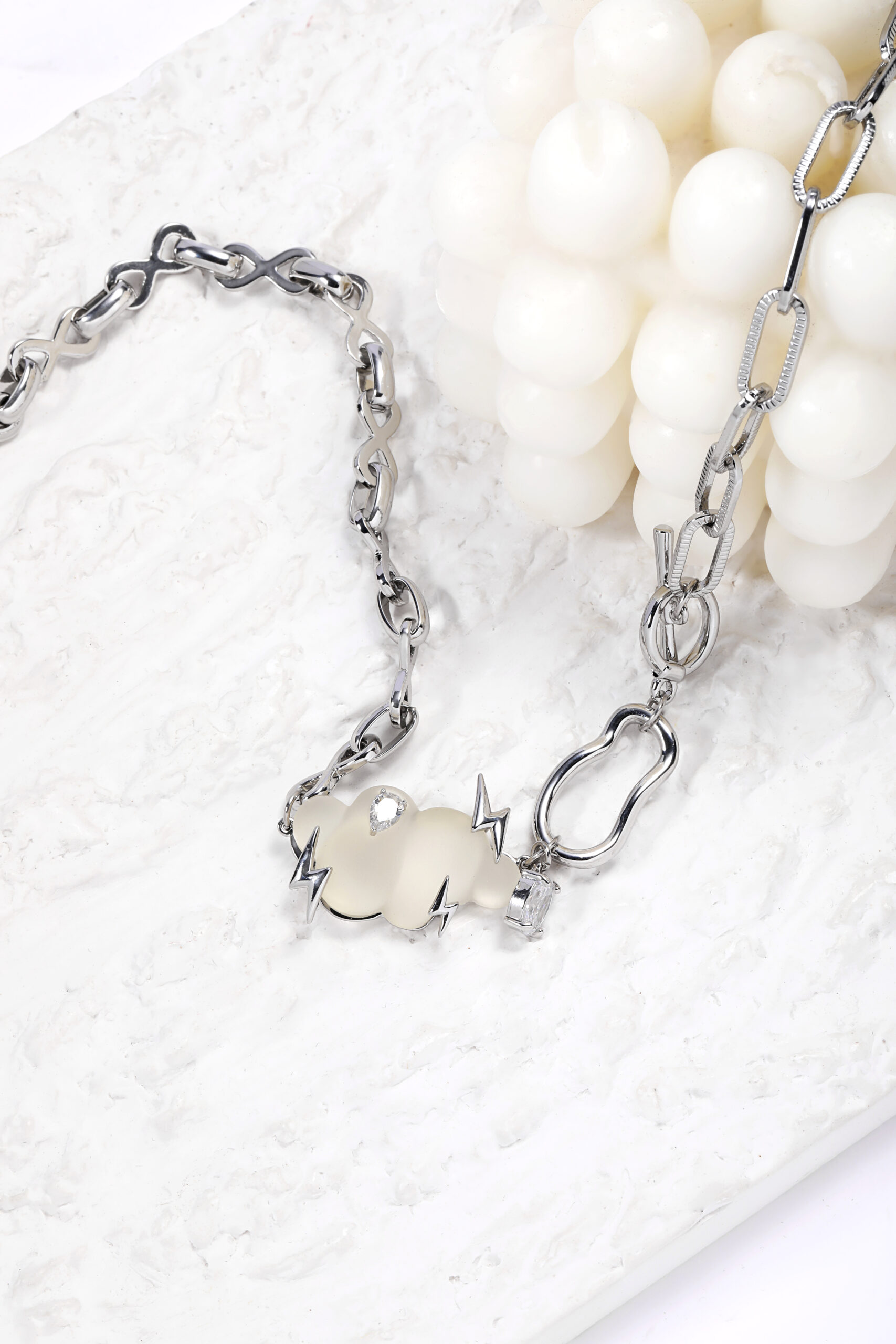
A quiet product note
If this small detail stayed with you
If this story reminded you of a small detail you keep choosing, you can compare the live photos, current price, shipping, and returns for Everyday Chain Necklace.
$39.99
First order code: EHTAN10
Compare photos and current priceFAQ
How do you choose necklaces for an office morning when repeat wear may notice the plain sweater and every small detail?
Start with the person and the ordinary scene first. Then use the live page to compare photos, current price, shipping, and returns for the necklace.
How do I know if necklaces will work for everyday wear?
Picture the necklace with clothes already worn often, not only with a special outfit. If it still fits an office morning, it is a stronger daily choice.
What practical details matter before ordering?
Use the live page to check photos, current price, shipping, returns, and first-order code EHTAN10.